

Protein Expression Market
Protein Expression Market Share & Trends Analysis Report, By Product (Expression Vectors, Competent Cells, Instruments, Reagents), By Expression System (Mammalian Expression Systems, Prokaryotic Expression Systems, Insect Cell Expression Systems, Yeast Expression Systems, Cell-free Expression Systems, Others), By Application (Therapeutic, Industrial, Research), By End User (Pharmaceutical and Biotechnology Companies, Academic Research Institutes, Contract Research Organizations (CROs), Others)- Industry Analysis Report, Regional Outlook, Growth Potential, Price Trends, Competitive Market Share & Forecast, 2025–2033.

Historical Period: 2019-2024
Forecast Period: 2025-2033
Report Code :
CAGR: 10.01%
Last Updated : October 10, 2025
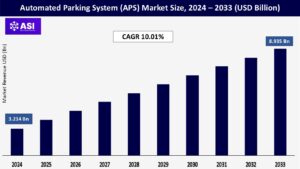
The global Protein Expression Market was valued at approximately USD 3.214 billion in 2024 and is projected to reach USD 8.935 billion by 2033, growing at a CAGR of 10.01% during the forecast period (2025–2033).
The Protein Expression Market refers to the sector focused on the production of proteins through various biological systems for research, therapeutic, and industrial applications. Protein expression involves the process by which proteins are synthesized, modified, and regulated in living organisms or engineered systems using DNA templates. This market supports a wide range of uses, including drug discovery, vaccine development, structural biology studies, and the production of enzymes for industrial processes. Common expression systems include bacterial (e.g., E. coli), yeast, insect, and mammalian cells, each chosen based on the required protein characteristics such as folding, post-translational modifications, and yield.
Key properties of protein expression technologies include high efficiency, scalability, accuracy in protein folding, and the ability to produce functional proteins with desired biological activity. The market continues to grow due to advancements in biotechnology, increasing demand for biologics, and the expanding role of recombinant proteins in therapeutic development.
With the rising global burden of chronic diseases such as cancer, diabetes, and autoimmune disorders, there is a growing need for biologic drugs many of which are proteins such as monoclonal antibodies, hormones, or enzymes. Protein expression systems are essential in the production of these biologics. As pharmaceutical companies increasingly focus on developing complex biologic therapies, the demand for efficient and scalable protein expression platforms is surging. This trend is particularly strong in oncology and rare disease treatment, where targeted therapies are in high demand.
The protein expression field has witnessed significant innovation in terms of expression vectors, host cell lines, and purification methods. Newer systems such as mammalian and insect cells allow for proper protein folding and post-translational modifications, making them ideal for producing human-like proteins. Additionally, advances in synthetic biology, gene editing (e.g., CRISPR), and automation have enhanced the precision, speed, and scalability of protein production. These innovations are enabling more cost-effective manufacturing and improving protein yield and functionality, which are critical for both research and therapeutic applications.
A significant restraint in the protein expression market is the high cost and operational complexity associated with advanced expression systems, especially mammalian and insect cell lines. These systems are essential for producing complex, biologically active proteins with human-like post-translational modifications, but they require expensive infrastructure, sophisticated bioreactors, and skilled personnel to manage and maintain optimal culture conditions. The production process is time-consuming, involves high-quality control standards, and often suffers from lower yields compared to simpler bacterial systems. For small biotech firms and academic institutions with limited budgets, these challenges can be a barrier to entry or scale-up. This cost burden can slow innovation and limit the availability of protein-based therapies in low- and middle-income countries.
| Report Metric | Details |
|---|---|
| Segmentations | |
| By Product |
Bioreactors Chromatography Systems |
| By Expression System |
Bioreactors Chromatography Systems
|
| By Application |
Biologics and vaccines Industrial applications Enzyme production for manufacturing processes and research purposes |
| By End-User |
Drug development and Biologic Production Academic Research Institutes Basic and Translational Science Contract research organizations (CROs) |
| Geographies Covered | |
| North America |
U.S. |
| Europe |
U.K. |
| Asia Pacific |
China |
| Middle East & Africa |
Saudi Arabia |
| Latin America |
Brazil |
The Protein Expression Market is segmented by product, Expression System, Application and End User. Each factor plays a crucial role in advancing biopharmaceutical innovation, driving the widespread use of recombinant protein technologies, and supporting the development of scalable, precise, and cost-effective solutions for producing therapeutic proteins, vaccines, enzymes, and research-grade biomolecules.
The market includes expression vectors, which are crucial tools for introducing genetic material into host cells; competent cells, used to uptake plasmid DNA during transformation; instruments such as bioreactors and chromatography systems essential for protein synthesis and purification; and reagents including enzymes, buffers, and media that support the entire expression workflow.
The market is divided into several platforms based on the host used for protein production. Mammalian expression systems are favored for producing complex proteins with post-translational modifications suitable for therapeutic use. Prokaryotic systems (like E. coli) dominate for simpler, high-yield protein production, particularly in research. Insect cell systems and yeast expression systems offer a balance between yield and complexity, while cell-free systems are gaining traction for rapid protein synthesis in research and synthetic biology.
protein expression is used in therapeutic development, particularly in biologics and vaccines; industrial applications, such as enzyme production for manufacturing processes; and research purposes, where it supports functional studies and structural biology.
The market is driven by pharmaceutical and biotechnology companies, which rely heavily on expression systems for drug development and biologic production; academic research institutes, which use them for basic and translational science; and contract research organizations (CROs), which offer outsourced protein production and analysis services. This diverse segmentation highlights the market’s vital role in both scientific innovation and commercial bioproduction.
The market leads globally, driven by the strong presence of pharmaceutical and biotech companies, particularly in the United States. The region benefits from high R&D spending, robust academic research infrastructure, and widespread adoption of advanced expression systems such as mammalian and insect cell technologies for therapeutic protein development. The increasing demand for biologics and personalized medicines further accelerates market growth in this region.
Holds the second-largest market share, with significant contributions from countries like Germany, the UK, France, and Switzerland. The region is known for its advanced biopharmaceutical industry, strong regulatory frameworks, and support for academic-industrial collaborations. European research institutions and contract research organizations (CROs) are actively involved in protein engineering and therapeutic protein production, which sustains market expansion. However, stringent regulations and the high cost of expression technologies may slightly hinder growth compared to North America.
Region, the protein expression market is experiencing rapid growth due to expanding biotechnology sectors in countries such as China, India, Japan, and South Korea. Rising government investments in life sciences research, increasing pharmaceutical production, and growing demand for cost-effective biologics and biosimilars are key factors driving the market. The region is also seeing a surge in academic research and CRO activities, although challenges remain in terms of standardization and access to high-end expression technologies in less developed areas.
Shows steady growth, with Brazil, Mexico, and Argentina leading the adoption of protein expression technologies. The market is driven by increasing investment in biotechnology, growing awareness of protein-based therapies, and improved healthcare infrastructure. However, limited funding for research and fewer local biotech firms compared to North America and Europe constrain its full potential.
The market remains in a nascent stage but is gradually developing. Growth is supported by increasing healthcare spending, particularly in Gulf Cooperation Council (GCC) countries like Saudi Arabia and the UAE. Collaborations with international research bodies and growing interest in clinical trials are promoting awareness and adoption of protein expression technologies. Nonetheless, limited local expertise, infrastructure, and research funding present ongoing challenges.
Overall, while developed markets lead in technology and innovation, emerging markets offer substantial growth opportunities driven by increasing demand for biologics, expanding healthcare systems, and rising research activities.
The market was valued at USD 3.214 billion in 2024.
The market is projected to grow at a CAGR of 10.01% from 2025 to 2033.
Expression Vectors hold the largest market share.
The North America region is expected to witness the highest growth rate.
Major players include Thermo Fisher Scientific Inc., Merck KGaA and Agilent Technologies Inc.
1.1 Summary
1.2 Research methodology
2.1 Research Objectives
2.2 Market Definition
2.3 Limitations & Assumptions
2.4 Market Scope & Segmentation
2.5 Currency & Pricing Considered
3.1 Drivers
3.2 Geopolitical Impact
3.3 Human Factors
3.4 Technology Factors
4.1 Porters Five Forces Analysis
4.2 Value Chain Analysis
4.3 Average Pricing Analysis
4.4 M & A, Agreements & Collaboration Analysis
5.1 Protein Expression Market, By Product
5.1.1 Introduction
5.1.2 Market Size & Forecast
5.2 Protein Expression Market, By Expression System
5.3 Protein Expression Market, By Application
5.4 Protein Expression Market, By End-User
6.1 North America Protein Expression Market, By Country
6.1.1 Protein Expression Market, By Product
6.1.2 Protein Expression Market, By Expression System
6.1.3 Protein Expression Market, By Application
6.1.4 Protein Expression Market, By End-User
6.2 U.S.
6.2.1 Protein Expression Market, By Product
6.2.2 Protein Expression Market, By Expression System
6.2.3 Protein Expression Market, By Application
6.2.4 Protein Expression Market, By End-User
6.3 Canada
7.1 U.K.
7.2 Germany
7.3 France
7.4 Spain
7.5 Italy
7.6 Russia
7.7 Nordic
7.8 Benelux
7.9 The Rest of Europe
8.1 China
8.2 South Korea
8.3 Japan
8.4 India
8.5 Australia
8.6 Taiwan
8.7 South East Asia
8.8 The Rest of Asia-Pacific
9.1 UAE
9.2 Turkey
9.3 Saudi Arabia
9.4 South Africa
9.5 Egypt
9.6 Nigeria
9.7 Rest of MEA
10.1 Brazil
10.2 Mexico
10.3 Argentina
10.4 Chile
10.5 Colombia
10.6 Rest of Latin America
11.1 Global Market Share (%) By Players
11.2 Market Ranking By Revenue for Players
11.3 Competitive Dashboard
11.4 Product Mapping